


 The Breakthrough Prize Foundation recently announced the winners of the 2026 Breakthrough Prizes. The Breakthrough Prize – popularly known as the “Oscars of Science” – was created to celebrate the wonders of our scientific age by founding sponsors Sergey Brin, Priscilla Chan and Mark Zuckerberg, Julia and Yuri Milner, and Anne Wojcicki. Each prize is $3 million and is presented in the fields of Life Sciences, Fundamental Physics, and Mathematics.
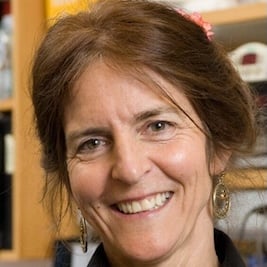
The Breakthrough Prize Foundation awarded a Life Sciences prize to two teams of five researchers who pioneered gene therapies for two different types of genetic diseases. A team from the University of Pennsylvania developed a treatment to cure retinal blindness. They developed the first FDA-approved gene replacement therapy, which has restored sight to patients born with Leber congenital amaurosis, a rare inherited retinal disease that typically leads to total blindness in early adulthood.
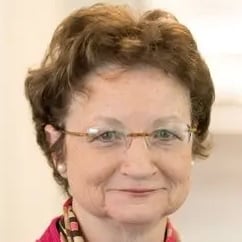
The team included two women: Jean Bennett, the F.M. Kirby Professor of Ophthalmology, and Katherine High, Emeritus Professor of Pediatrics (Hematology). Dr. Bennett is a graduate of Yale University, where she majored in biology. She holds a Ph.D. in zoology and cell and developmental biology from the University of California, Berkeley, and a medical doctorate from Harvard University. Dr. High is a graduate of Harvard University, where she majored in chemistry. She earned her medical degree at the University of North Carolina
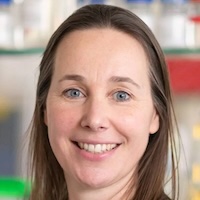 Rosa Rademakers, a neurogeneticist whose work at the Mayo Clinic in Florida led to a landmark finding in neurodegenerative disease, led a team of scientists who were awarded a 2026 Breakthrough Prize in Life Sciences for the discovery of the most common genetic cause of frontotemporal dementia (FTD) and amyotrophic lateral sclerosis (ALS), which charted the path for new mechanistic studies of these diseases. She shared the award with another team, which did complementary research and was led by Bryan Traynor, at the National Institute on Aging at the National Institutes of Health. Dr. Rademakers served on the Mayo Clinic faculty from 2005 to 2019 and continues to collaborate with colleagues as a supplemental consultant in the department of neurosciences. She is currently the director of the VIB Center for Molecular Neurology and a professor of biomedical sciences at the University of Antwerp in Belgium.
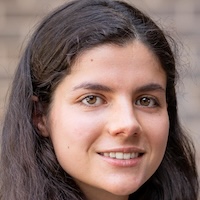 A new physics prize, the Vera Rubin New Frontiers Prize, was announced by NVIDIA founder and CEO Jensen Huang and Breakthrough Prize co-founder Yuri Milner. After a tribute to the great astronomer Vera Rubin, who discovered key evidence for dark matter, and in homage to whom NVIDIA’s new chip platform is named, they introduced inaugural laureate Carolina Figueiredo. The new prize recognizes women physicists who have recently completed their doctorates and have already made important contributions to science – in this case, revealing hidden relations among quantum field theories. Dr. Figueiredo has described how physics can now “meaningfully address the deepest of questions, such as the very origins of space and time.” She is a graduate of the Instituto Superior Tecnico in Lisbon, Portugal, and earned her Ph.D. at Princeton University in New Jersey.