
Study Examines Mental and Physical Health-Related Risk Factors Among Women Who Died by Firearm Suicide

Deaths by firearms in the United States, including suicide, have increased by nearly 50 percent over the past two decades. There has also been a rise in the number of guns throughout the country, with firearms now in at least one-third of all American homes. Additionally, there has been an increase in the number of women gun owners, with women representing some 50 percent of all new gun owners during 2020.

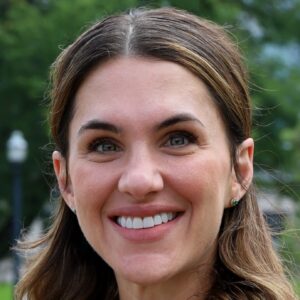
A new study led by Laura Prater, assistant professor of health services management and policy at Ohio State University, has examined firearm suicides among American women and identified an urgent need for new prevention strategies.

Dr. Prater and her co-authors examined a sample of 8,318 women who died by firearm suicide between January 2014 and December 2018, finding over half of the deceased were associated with more than one of three distinct risk factors: alcohol use or substance use disorders (26.4 percent), depression and suicidal thoughts (47.5 percent), and physical health problems and pain (21.9 percent), with 4.2 percent associated with all three risk factors. However, a substantial subset of the women included in the study (42.1 percent), were associated with just one – or zero – risk factors. Notably, a large portion of all women in the study (23.4 percent of those with 0 or 1 risk factors and 29.5 percent of those with multiple risk factors) experienced intimate partner violence prior to their deaths

Among all women included in the study, only 28.6 percent had documented evidence of mental health treatment and just 21.2 percent had documented physical health diagnoses. This suggests that a large portion of the study’s sample had limited engagement with healthcare providers who could have implemented suicide prevention opportunities.

Based on these findings, Dr. Prater and her co-authors believe suicide prevention strategies must be implemented outside of healthcare settings, such as in programs for women experiencing domestic violence and community events targeted at women. Furthermore, the authors stress that healthcare centers should require training on evidence-based suicide prevention models and lethal means assessment.

Dr. Prater has been a faculty member with the Ohio State University College of Public Health for the past two years. She is a graduate of Kent State University and earned her master of public health degree, master of healthcare administration degree, and Ph.D. in public health from Ohio State. Her co-authors included scholars affiliated with Ohio State, the University of Washington, the University of Massachusetts Amherst, Drexel University in Philadelphia, and the University of Utah.

LEAVE A REPLY

Please enter your comment!
Please enter your name here

This site uses Akismet to reduce spam. Learn how your comment data is processed.

Related Articles

Latest News

Robin Lynn Cautin Named the Eleventh President of Regis College in Massachusetts

Dr. Cautin, provost of Sacred Heart University in Connecticut, brings over two decades of higher education experience to her new role as president of Regis College in Weston, Massachusetts. She is slated to begin her presidency on July 1.

Antonia Maioni Named the First Woman President of John Cabot University

John Cabot University is a private American University based in Rome, Italy. Dr. Maioni, currently a professor at McGill University in Canada, is slated to become John Cabot's first woman president on July 1.

Michele Murray Appointed President of the Association of Jesuit Colleges and Universities

The Association of Jesuit Colleges and Universities is a national organization that supports Jesuit higher education institutions in the United States, Belize, and Canada. Dr. Murray, who currently serves as senior vice president for student development and mission at the College of the Holy Cross, is slated to become the association's next president on June 2.

Alicia Slater Appointed Provost at Rollins College in Florida

Dr. Slater comes to her new role from Marist University in Poughkeepsie, New York, where she has been serving as senior associate provost, dean of science, and professor of biology.

Emelyn A. dela Peña to Lead the National Association of Diversity Officers in Higher Education

Dr. Peña brings over three decades of higher education experience to her new role as president and CEO of the National Association of Diversity Officers in Higher Education. Her background includes key leadership roles with several universities across the country.

Communications Publications Editorial Manager (Website Content Manager)

The Website Content Manager serves as the primary website lead for the College, collaborating with team members across design, marketing, multimedia, public relations, and government affairs.

Assistant Senior Instructional Professor in the Social Sciences Core (Social Science Inquiry)

The Social Sciences Collegiate Division at the University of Chicago is now accepting applications for a full-time Assistant Senior Instructional Professor who will teach in and contribute to the management and administration of the Social Science Inquiry sequence in the Social Sciences Core.

Visiting Assistant Professor of Media Studies

The Department of Cinema & Media Studies at the University of Pennsylvania in Philadelphia invites applications for a one-year Visiting Assistant Professor position in the field of media studies.

Instructional Professor in Law, Letters, and Society (Open Rank)

The Social Sciences Collegiate Division at the University of Chicago is now accepting applications for a full-time Instructional Professor who will teach in the program in Law, Letters, and Society.

Assistant Professor AC Track Assistant Director of Clinical Chemistry Laboratory – Children’s Hospital of Philadelphia

Children's Hospital of Philadelphia and the Department of Pathology and Laboratory Medicine at the Perelman School of Medicine at the University of Pennsylvania seek candidates for an Assistant Professor position in the non-tenure academic clinician track. Expertise is required in the specific area of Clinical Chemistry.