


 A new study from scholars at the University of California, San Diego has revealed a significantly higher risk of suicide among women pharmacy technicians compared to their male counterparts and women in the general population.
Using data from the National Violent Death Reporting System on suicides occurring from 2011 to 2022, the authors found pharmacists had a 21 percent increased likelihood to die by suicide than people in the general population. Women pharmacists had a comparable risk to women in the general population, but male pharmacists had a 25 percent higher risk than other men.
However, although pharmacy technicians overall had a 14 percent lower risk of suicide, women working in this profession had a 22 percent higher risk of suicide than women in the general population. Women accounted for 24 percent of pharmacist suicides and 61 percent of pharmacy technician suicides.
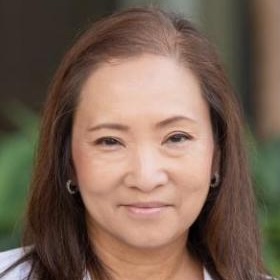 “Pharmacists are an invisible workforce that drive the engine of medication delivery in every health care setting,” said senior author Kelly Lee, professor of clinical pharmacy at UC San Diego’s Skaggs School of Pharmacy. “Every medication that reaches a patient has been touched by a pharmacist and/or a pharmacy technician. These health care workers are under unique strains, but it can be difficult to seek help. We need to make it easier.”
The authors theorize that this increased risk of suicide among pharmacists and pharmacy technicians could be related to job-related stress and mental health challenges. Prior to their suicide, pharmacists were more likely to experience workplace problems, while technicians were more likely to have a history of mental health challenges.
“The field talks a lot about mental health, especially after COVID, but our overall work culture hasn’t changed,” said Dr. Lee. “Access to mental health resources is limited, and stigma continues to be a major barrier to seeking help.”
She continued, “Employers must create environments where taking time for mental health is normalized and supported. It shouldn’t be difficult for someone to seek help.”
The study was led by Hirsh Makhija, who is currently attending medical school at the University of Nevada, Las Vegas. Other authors included scholars from UC San Diego, Barnes Jewish Hospital, and Northeastern University.