


 L’Oréal USA has announced the 2026 For Women in Science (FWIS) awardees. The candidates for the awards are evaluated based on several factors, including their research potential, scientific excellence, and their commitment to supporting future generations of women and girls in science.
The L’Oréal USA For Women in Science program awards five women postdoctoral scientists annually with grants of $75,000 each for their contributions in science, technology, engineering, and math fields and commitment to serving as role models for younger generations. Since 2003, the program has supported more than 115 outstanding women postdoctoral scientists from across the country, awarding over $5.6 million in grants
Following are brief biographies of the five women who have been honored this year:
 Danielle Stevens is conducting research at the University of California, Berkeley on how to accelerate the development of sustainable, disease-resistant crops, with the goal of reducing pesticide use and helping protect the food supply. This research uses protein language models and agentic AI to identify plant immune proteins that recognize disease-causing microbes and automate the design of genetic edits that give crops pathogen protection. Dr. Stevens is a graduate of the University of Oregon, where she majored in biochemistry and biophysics. She holds a Ph.D. in integrative genetics and genomics from the University of California, Davis.
 Anna Romanov is conducting research at the Massachusetts Institute of Technology on engineering programmable molecular technologies to uncover fundamental immunological principles and improve human health. She is specifically focusing on how B cells evolve and how those insights can be applied to develop new vaccines and immunotherapies. Dr. Romanov is a graduate of the Georgia Institute of Technology, where she majored in biomedical engineering. She holds a Ph.D. in biological engineering from MIT.
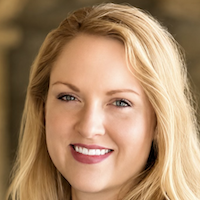 Katherine Lagerstrom is a postdoctoral researcher at Princeton University who is studying how human-driven environmental change reshapes the gut microbiomes of wildlife and affects interactions between animals and their microbes. The research examines how pollution and exposure to human-associated bacteria influence microbial adaptation and the emergence and spread of antibiotic resistance, with potential consequences for both wildlife and human health. Dr. Lagerstrom is a graduate of the University of Nebraska-Lincoln, where she majored in microbiology and environmental studies. She holds a Ph.D. in ecology and evolutionary biology from Stanford University in California.
 Clarissa Do Ó, a postdoctoral researcher at the California Institute of Technology, is developing technologies and observing strategies for the direct imaging of exoplanets — planets that orbit stars outside our solar system. This work develops techniques to enable the detection of Earth-like exoplanets, which are 10 billion times fainter than their stars. Dr. Do Ó is a graduate of the University of California, Santa Barbara, where she majored in physics. She holds a master’s degree and a Ph.D. in physics from the University of California, San Diego.
 Tana Pottorf is conducting research at Ohio State University on how macrophages — immune cells that respond to injury — can be guided to improve recovery and prevent complications after spinal cord injury. The research aims to promote their helpful effects and limit their harmful ones, while examining how the function changes over time and anatomical location. Dr. Pottorf is a graduate of William Jewell College in Liberty, Missouri, where she majored in biology. She holds a Ph.D. in neuroscience from Emory University in Atlanta.
L’Oréal USA is the largest subsidiary of the L’Oréal Groupe, the world’s leading beauty company. Through its management of over 35 beauty brands, L’Oréal USA generates more than $11 billion in sales annually.