


 The Women & Politics Institute (WPI) at American University in Washington, D.C., recently published the results of a nationwide poll on the progress and barriers facing women in American politics. The research reveals that while the vast majority of Americans want to see more women in political leadership, there is persistent resistance to the prospect of a woman serving as President of the United States.
For the study, Breakthrough Campaigns and scholars at WPI surveyed 801 registered voters between September 3-6, 2025. Overall, 83 percent of respondents believe it is important to elect more women, with Democrats and Gen Z voters having the strongest enthusiasm for women in politics. Across all age groups, voters believe government gets more done when more women hold office. Again, younger generations are more likely to support women politicians, with two-thirds of men under 50 believing women are better than men at solving national problems.
However, despite this overwhelming support for women in political leadership, 4 in 10 voters, particularly Republicans and younger demographics, personally know someone who would not vote for a woman president. Surprisingly, younger voters are the least open to electing a woman president. Notably, Americans are divided on whether Kamala Harris’ presidential run made it easier or harder for a woman to become president, with Republicans and Independents more likely to believe she made it harder. Republican men are more likely to believe women achieve leadership roles due to quotas or manipulation.
When asked what kind of woman they envision as the first female president, voters typically envision a married Democrat mother under 65 with prior political experience, who must act both “tough” and “likable” – a standard not typically applied to male candidates.
Regarding the next presidential election in 2028, many voters anticipate it will be “more important” than other elections, with the majority of Democratic women calling it the “most important” election of their lifetime. Even with this heightened anticipation for 2028, political engagement among women has notably decreased since 2024, though most still remain attentive to political matters. Additionally, women are generally feeling more pessimistic about the U.S. economy, with those over 50 experiencing the biggest jump in pessimism.
According to the poll, men and women have particularly divided opinions on President Trump. The majority of all women disapprove of his performance and say he has hindered women’s equality, compared to just one in three men.
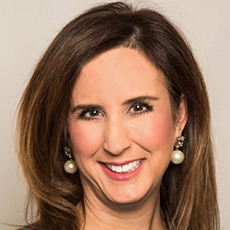 “These findings capture both the momentum and the headwinds for women in politics,” said Betsy Fischer Martin, executive director of the Women & Politics Institute. “As we mark WPI’s 25th anniversary, the results remind us why our mission matters. Voters clearly value the perspective women bring and want to see more women in office. But when it comes to the presidency, stereotypes and double standards still cast a long shadow. That tension will define the next chapter in women’s political leadership.”
Lets not fool ourselves, Kamala Harris did not make it more difficult for women to vote for a woman president. I do not believe that one bit. Many women did not support Hillary Clinton. Moreover, it becomes much more telling when you add race to the story.