


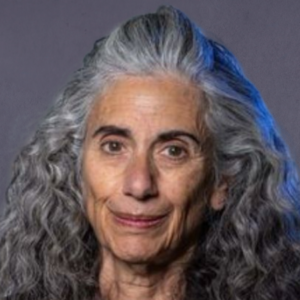
In a new report, authors Judith Gonyea of Boston University and Kelly Melekis of the University of Vermont discuss how daily life on the streets and in emergency housing shelters affects the well-being of older women experiencing homelessness (OWEH).
For their study, the authors conducted private individual interviews with a sample of women in their 50s who had been experiencing homelessness for at least one month. Nearly all participants, who were primarily women of color, were coping with significant physical and/or mental health issues.
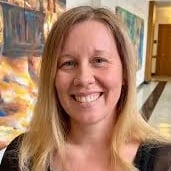
Several themes emerged in these discussions, providing insight into how shelter life intensifies OWEH’s daily challenges. Overall, participants reported experiencing dehumanizing and stigmatizing treatment from shelter management, who often fail to understand the interconnectedness of OWEH’s health struggles, societal bias against older women, and social prejudice of people experiencing homelessness. Participants frequently reported unsafe surroundings, requiring hypervigilance to protect themselves from potential violence. Additionally, participants described harsh living conditions with limited privacy, declining physical and emotional health, a loss of autonomy, and an absence of normalcy and stability.
“It is now widely recognized that stressful and traumatic events not only predispose women to homelessness but that homelessness itself also places women at risk for experiencing traumatic events,” the authors write. “This study underscores that this vicious cycle is further worsened by acute and chronic physical and mental health challenges (including accelerated aging and geriatric conditions), which are commonly observed among women aged 50 and older who have experienced homelessness.”
They continue, “With the dramatic growth of the OWEH population [and] women experiencing homelessness, housing and homeless organizations must incorporate approaches that are both trauma-informed and responsive to aging/geriatric needs. To achieve this goal, OWEH must no longer be an invisible or absent population but should be included in the development, implementation, and evaluation of these interventions, given their heightened risk of mental health issues.”
Dr. Gonyea is a professor in the School of Social Work and a faculty affiliate of the Center for Innovation in Social Sciences at Boston University. The author of more than 100 publications, Dr. Gonyea focuses her work on historically disadvantaged older populations with the goal of advancing equity. She earned her bachelor’s degree in special education and psychology from the University of Connecticut and both her master of social work degree and a Ph.D. in social welfare from the University of Washington.
Dr. Melekis is an associate professor of social work and program coordinator for the master of social work degree at the University of Vermont. As a gerontological social worker, Dr. Melekis centers her scholarship on the health and well-being of vulnerable and oppressed older adults and the education and training of social workers. She holds a bachelor of social work degree from the University of Vermont, a master of social work degree from the University of California, Berkeley, and a Ph.D. in social work and sociology from Boston University.